Montessori Toys for 3 Year Olds: What Actually Gets Used
The Montessori toys for 3 year olds that actually get used at home are a short list, and most of them are Montessori materials rather than toys: practical life tools sized for real work (a small pitcher, cloths, a workable broom), a few sensorial classics or their household equivalents, open-ended building materials, puzzle work with knobs graduating to jigsaws, and language materials built from objects you already own. The classroom catalog — pink tower, brown stair, golden beads — mostly does not earn its keep in a living room. This site ran a post by this name a decade ago; here’s the honest 2026 rebuild, based on what survived contact with my own three-year-old.
The test: used weekly, or it’s decor
A home is not a classroom, and the difference matters more at three than at any other age. A trained guide presents classroom materials in sequence, with a purpose, to a child who has chosen them from a full curriculum. At home, an expensive replica of a classroom material usually gets one enthusiastic week and a long shelf retirement — not because your child is behind, but because the material was designed for a context your kitchen isn’t.
So my sorting test is brutal and simple: would this get chosen weekly without me selling it? Everything below passed in my house or in houses I trust. Everything in the “skip” section failed in at least two.
Montessori toys for 3 year olds that earn the shelf
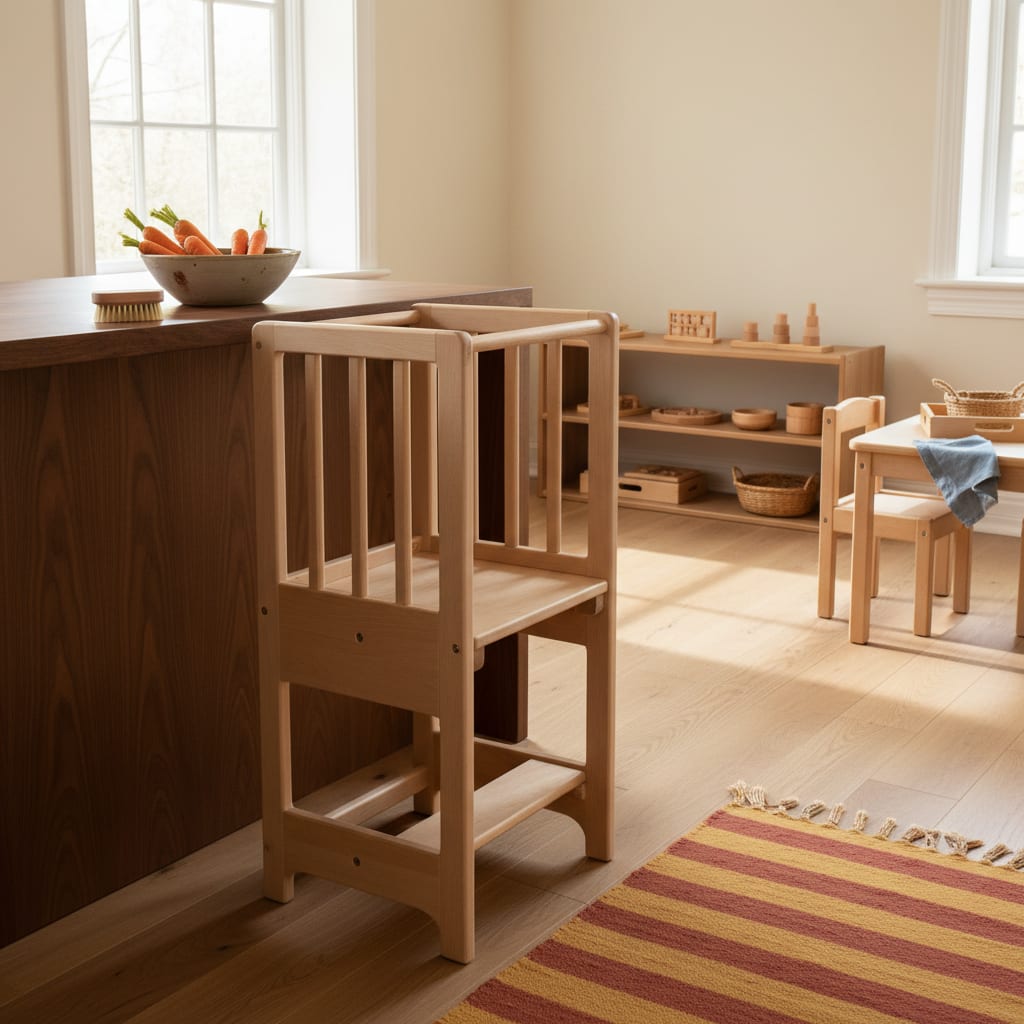
- Practical life, always first. A small pitcher for pouring (water, dry beans), real cloths and a spray bottle for wiping, a workable child-size broom, a butter knife and cutting board for banana-grade food prep. This is the most-used “material” category in any Montessori home, and most of it can come from a thrift store. The room-by-room versions live on the Practical Life shelf.
- Sensorial, translated. Instead of the pink tower: nesting and stacking things you choose deliberately, knobbed cylinder-style puzzles, and matching work — sound jars from spice bottles, texture cards from fabric scraps. The isolating-one-quality idea survives the translation; the price doesn’t need to.
- Puzzle progression. Knobbed shape puzzles, then multi-piece wooden jigsaws. Puzzles are the quietest concentration-builders on the shelf — pair them with the habits in helping your child concentrate.
- Building. A set of plain wooden blocks (like PlanToys’ unit blocks) and one good vehicle. Unpainted blocks outlast every electronic toy in the house.
- Language from the junk drawer. Object baskets, object-to-picture matching cards, and the sound games that need no equipment at all — the whole sequence is in Montessori language activities for toddlers.
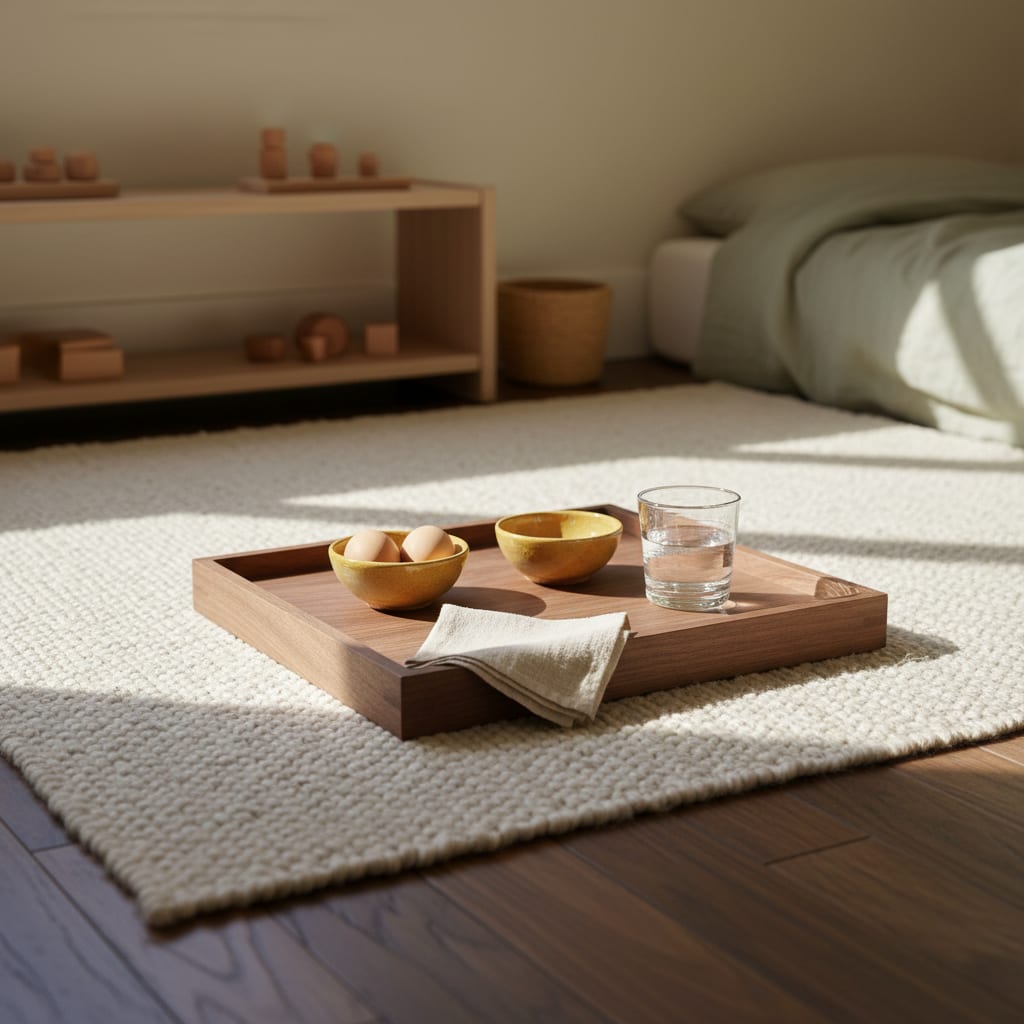
- Art, self-serve. Thick crayons, a glue stick, scissors that actually cut, kept in a tray the child can carry. The material is access, not supplies.
What to skip (and what to do instead)
- Classroom math materials (golden beads, spindle boxes) before four-ish: the sequence needs a guide and a readiness you can’t rush. Count real things instead — stairs, spoons, blueberries.
- The pink tower and brown stair at home: iconic, expensive, single-purpose. If your child attends a Montessori program, they’ll get the real presentation there; a home replica competes with it.
- “Montessori” busy boards and flashcard kits: the busiest boards violate the one-skill-at-a-time idea they’re marketed on, and flashcards teach labels without referents. Real objects first, always.
- Anything with batteries pretending to be wooden. The wood is not the point. The child doing the work — instead of the toy doing it — is the point.
For a second opinion with actual credentials, Living Montessori Now has the deepest activity archives on the internet and Trillium Montessori writes the teacher-side view of materials; both will talk you out of purchases as often as into them, which is how you know to trust them.
The shelf itself
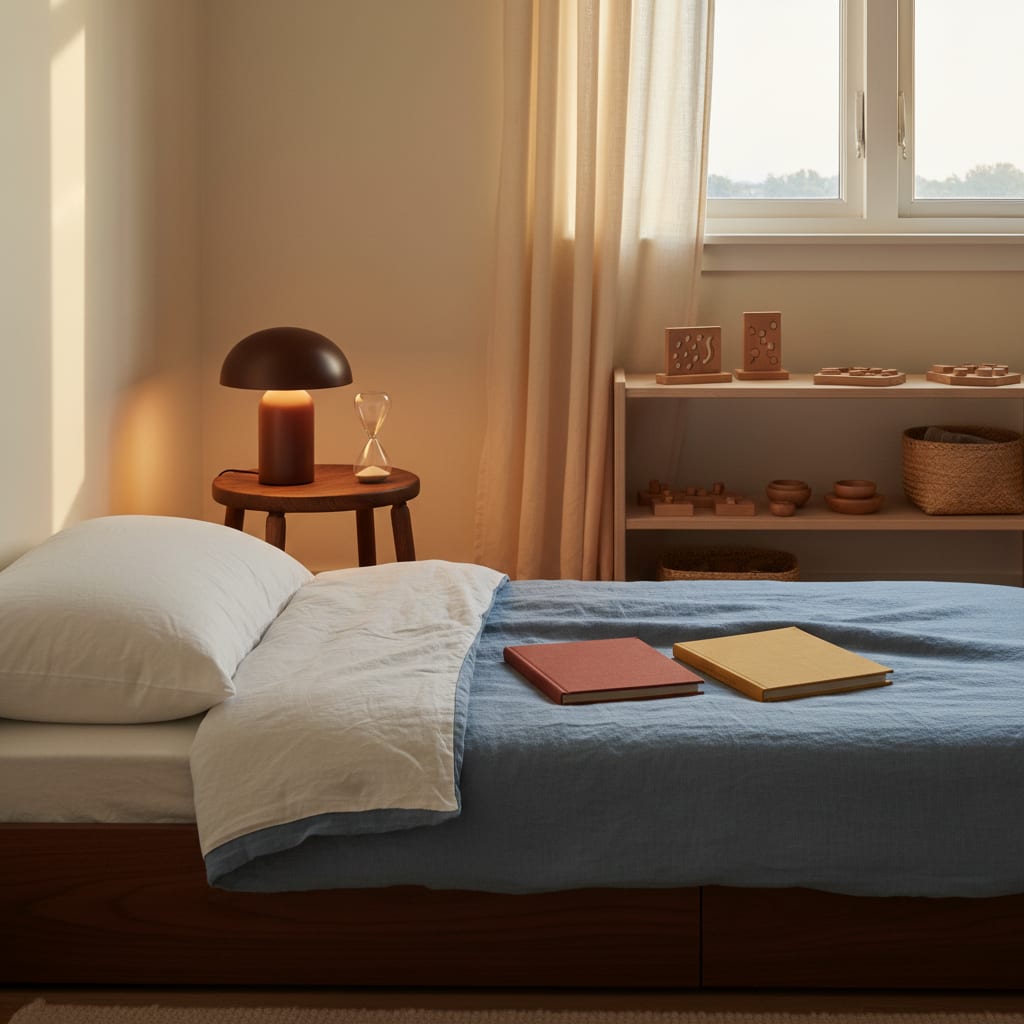
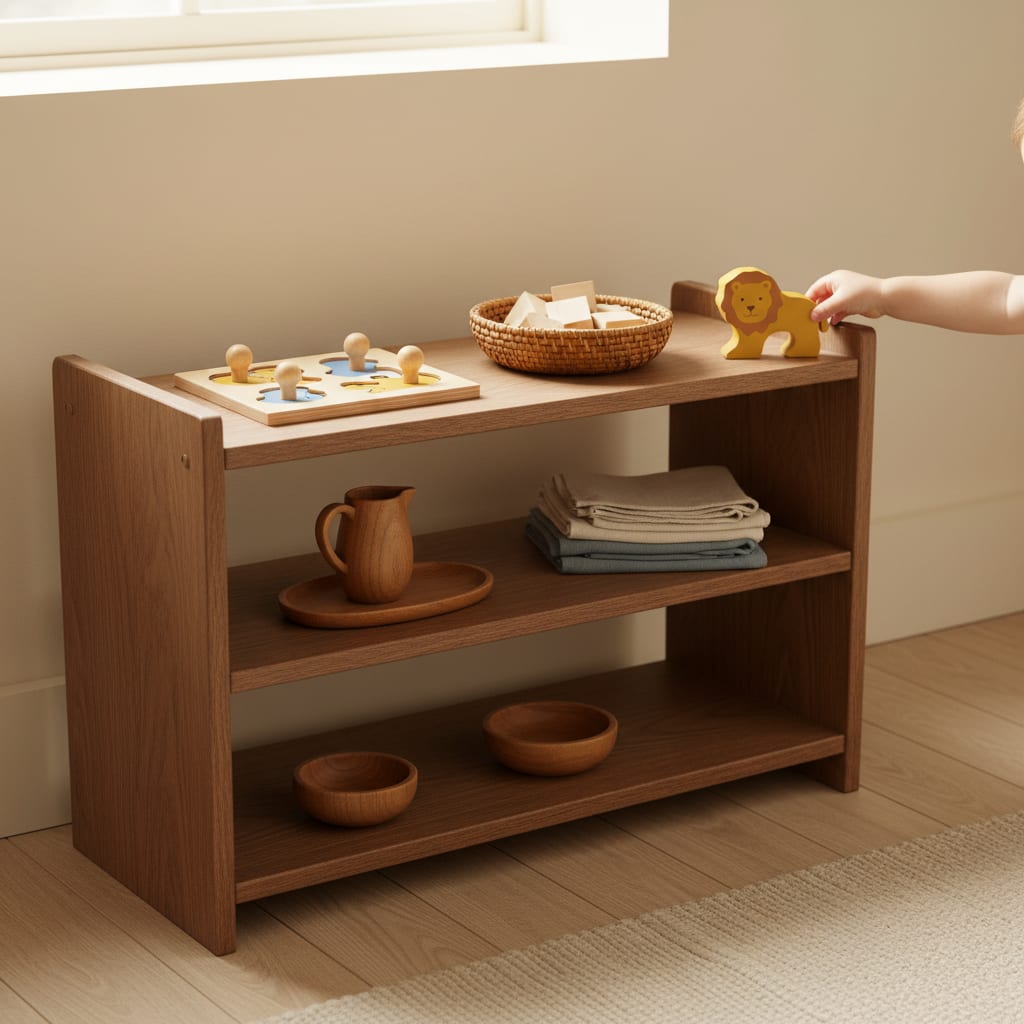
Whatever you own, show four to six choices at a time on a low shelf and rotate the rest out of sight — a shelf with four toys beats a toy box with forty, and rotation is what makes “old” materials get chosen again. If your child is younger than this post, start at Montessori toys for a 1 year old and grow forward; for the year after this one, when letters and counting arrive, see Montessori toys for 4 year olds.
FAQ: Montessori materials at age 3
What Montessori materials should a 3-year-old have at home?
Practical life tools (pitcher, cloths, broom, food-prep basics), a puzzle progression, plain blocks, simple sensorial matching work, self-serve art materials, and language object baskets. That short list covers the real developmental ground; the classroom catalog is optional.
Do I need official Montessori materials for home use?
No. Official materials are built for classroom presentation sequences. At home, household equivalents — nesting bowls, spice-jar sound games, thrifted pitchers — deliver the same one-quality-at-a-time experience for a fraction of the cost.
How many materials should be on the shelf?
Four to six choices displayed at once, rest in rotation. Fewer choices means longer, deeper work — the concentration research and every classroom shelf agree on this one.
Are busy boards Montessori?
Mostly no. A board with ten latches, a zipper, lights and a spinner is stimulation, not concentration. One real latch on one real door, used with permission, is closer to the idea.