The best Montessori activities for toddlers between two and three are real tasks with a visible result: dressing and washing themselves, preparing food that gets eaten, pouring and squeezing, unscrewing lids, matching real objects to pictures, painting at an easel, and climbing and carrying outdoors every day. Use household things rather than kits. Offer a few activities on a low shelf, show each one slowly, then let your toddler repeat it as often as they like. Spills are part of the work, so keep a cloth within reach. That is the whole method at this age. Everything below is detail.
I was an assistant in a Montessori toddler community, not a certified guide, so the “why” below links to the American Montessori Society and the CDC rather than resting on me. For children under two, the 18-month activities post is the better place to start.
The two-year-old in front of you
The AMS’s Family Alliance guide for 2-year-olds describes a child “at the peak of the sensitive period for order,” whose language “is becoming conversational,” and who is “fiercely driven toward independence.” It gives one sentence that sums up the whole age: “Practical life IS the curriculum at age two. Everything else builds on it.”
The CDC’s milestone checklists show the same child from the outside. The 30-month checklist includes “Uses hands to twist things, like turning doorknobs or unscrewing lids” and following “two-step instructions like ‘Put the toy down and close the door.’” The 3-year checklist includes “Puts on some clothes by himself, like loose pants or a jacket” and “Strings items together, like large beads or macaroni.” The CDC counts a milestone as something most children (75% or more) can do by that age.
Choose activities from that list: twisting, two-step jobs, dressing and threading. Ages are rough guides, so watch what your own child keeps trying to do.
Care of self: dressing and washing
Toddlers want to do their own dressing long before they can do it well. Make the task small enough to finish.
- A dressing spot. The AMS’s environment tips for two include “a dressing area with mirror, hooks, and accessible clothing.” Put two outfits within reach, not the whole drawer. The guide’s advice on choices applies here: “2 options is enough (‘red shirt or blue shirt?’).”
- Hand washing they can reach. A stable step at the sink, soap they can pump, a towel on a low hook.
- Nose wiping. A small mirror, a box of tissues and a lidded bin at child height. Show the steps once at a calm moment, not mid-cold.
The CDC’s 30-month list includes taking off “an open jacket,” and by three, putting one on. The Montessori coat flip, where the child lays the coat on the floor and flips it over their head, fits this age well. The wider list of jobs by age is in practical life activities by age.
Food work that ends in a snack
The AMS guide calls food preparation “the ultimate practical life activity,” because it involves “sequencing, fine motor control, math (measuring), science (transformations), and results the child can eat.” Its own examples are washing vegetables, tearing lettuce, spreading butter and mashing banana.
- Slicing soft food. Banana, cucumber or a boiled egg with a Joie crinkle cutter, seated at the table, with you beside them.
- Spreading. A blunt knife and a thin layer of butter or hummus on a cracker.
- Peeling a mandarin, then sharing the segments.
Keep the AAP’s choking advice in mind while the food is being made: cut food “into pieces no larger than one-half inch,” and remember that round, firm foods such as grapes “can be served if completely chopped into tiny pieces.” The child sits down to eat what they made.
Pouring, squeezing, twisting
These are the classic tray works, and they last because they are hard enough to need repeating.
- Pouring dry, then wet. The AMS sequence is “dry before water, two vessels before multiple.” Start with rice or lentils between two small jugs, then water. A small glass jug like the JIEJE 8.5-ounce glass pitcher is the right size for a two-year-old’s hand. If you use glass, use it at a table with you nearby. By three, the AMS 3-year guide moves on to pouring into “2-3 small glasses evenly.”
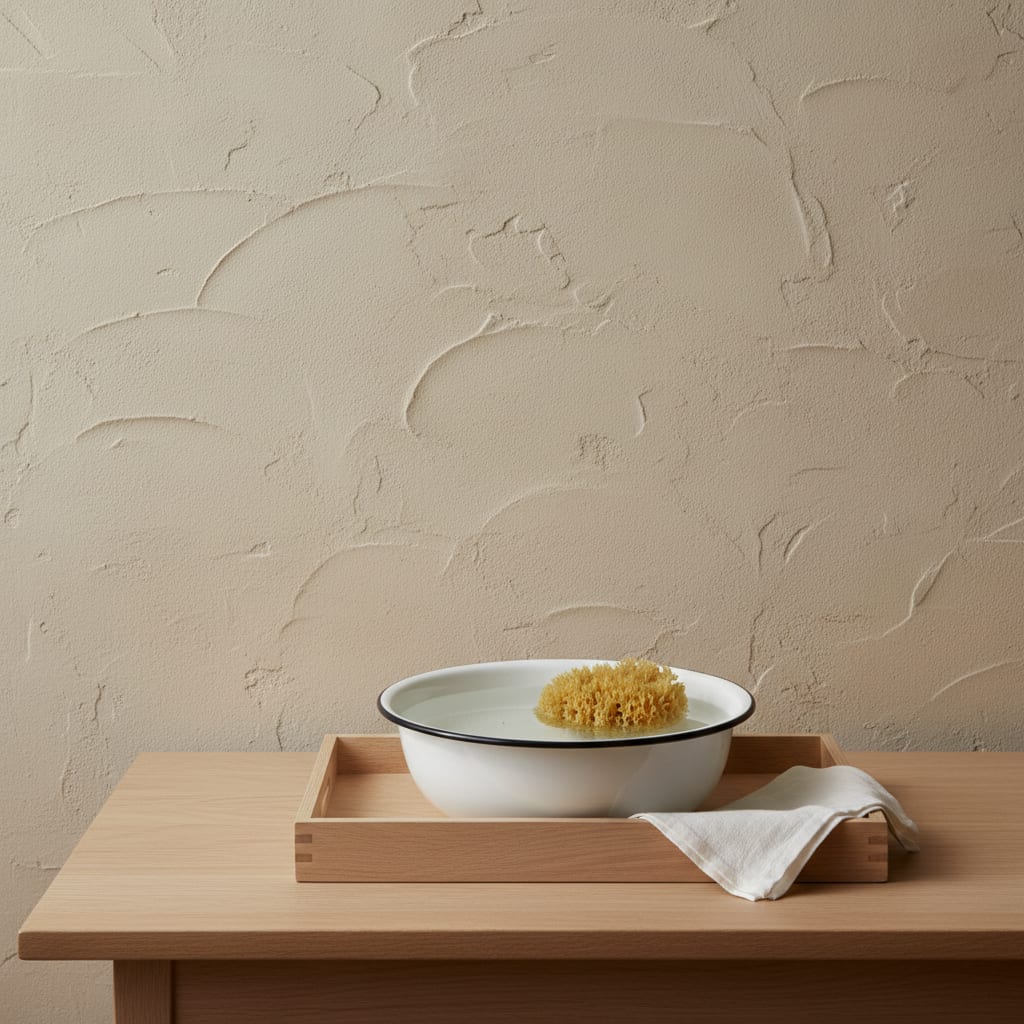
- Sponge squeezing. Two bowls, a small sponge and a towel. The guide says the squeezing motion “builds the exact hand muscles needed for pencil grip years later.”
- Lids and jars. A basket of three or four clean jars with different lids to unscrew and match. This is the CDC’s twisting milestone turned into a work.
- Threading. Large wooden beads onto a stiff cord, then pasta tubes onto a shoelace.
Words, and real conversation
Language at this age grows from talking with the child, not from flashcards. The AMS’s 2-year guide suggests matching real objects to their photographs (“This is a horse. This is a cow.”), and singing the same songs again and again, because “repetition is the point.” It suggests pausing before a familiar word so the child can fill it in.
The detailed version, with naming baskets and sound games, is in Montessori language activities for toddlers, so I will not repeat it here. One addition for this age: narrate less and ask more. “What do you think happens next?” in a familiar book is a real question for a two-year-old.
Art with real materials
Art at two and three is about the process, not the picture.
- An easel with one or two colours of thick paint and a big brush.
- Crayons and a large sheet of paper taped to the table so it does not slide.
- Playdough with a rolling pin and a blunt knife.
- Gluing torn paper onto card with a small pot of glue and a brush.
Leave out the colouring sheets and templates. Let the child decide what the picture is, or whether it is a picture at all.
Movement, inside and out
Two-year-olds need to move a lot. The CDC’s 30-month list includes jumping “off the ground with both feet.”
- Carrying. Full watering cans, shopping bags with a few items, a small chair from one room to the next.
- Climbing. A climbing frame indoors or the playground outdoors.
- Balancing. Walking along a low wall or a line of tape on the floor, holding your hand at first.
- Outdoors every day, whatever the weather. Puddles, leaves and sticks give a two-year-old plenty to work with.
A calm week, not a curriculum
You do not need a timetable. A useful rule comes from Betteroo’s list of ideas for this age: “Pick one active, one hands-on and one quiet activity a day, and protect naps.”
On the shelf, the AMS suggests “6-8 activities, changed weekly based on interest” at two. Rotate what has stopped being chosen. Keep anything still in use, even if you are bored of it. For shelf ideas, Montessori toys for 2 year olds lists the materials that last.
The AMS guide ends its 2-year list of mistakes with one worth keeping in mind: “Skipping practical life because it’s ‘messy’ — the mess is the learning.”
 Busy hands all day, still awake at nine?
Betteroo builds a gentle, personalized sleep plan around your toddler's age, naps and routine, starting with a free quiz.
Take the free sleep quiz →
FAQ: Montessori activities for toddlers
What are Montessori activities for a 2 year old?
Real tasks with a result: dressing, hand washing, preparing a snack, pouring dry and then wet materials, sponge squeezing, unscrewing lids, threading beads, matching objects to pictures, painting and outdoor play. The American Montessori Society calls practical life “the curriculum at age two.”
How many activities should a toddler have out?
About six to eight on a low shelf at two, changed as interest fades. Fewer, well-chosen activities hold attention longer than a full toy box.
Do I need Montessori materials for toddler activities?
No. Jugs, jars, sponges, a cloth, real food and a few beads cover most of it. Buy only what you use every week.
How long should a toddler activity last?
As long as the child wants. Some activities take two minutes and some get repeated for twenty. Show it once, step back, and let the child decide when it is finished.