Gentle Sleep Training Myths: A Montessori Reality Check

Gentle sleep training has a definition problem: to its fans it means “no crying ever,” to its critics it means “doesn’t work,” and to the algorithm it means whatever sells tonight. Here’s the working definition that actually holds up: gentle means the parent stays responsive while the structure stays consistent — predictable rhythm, age-appropriate schedule, the same calm response every time — and change happens gradually rather than in one hard night. That’s not the absence of sleep training; it’s a method. And it’s strikingly close to what Montessori homes have always done with sleep, which is why the myths around it bother me enough to unpick them one by one.
The usual caveat, honestly meant: I set up the shelves in a Montessori toddler community for three years — I’m nobody’s sleep clinician. For medical questions, sleep concerns in young babies, and anything touching safe sleep (firm flat surface, back sleeping, bare sleep space), your pediatrician outranks every blog including this one.
Myth 1: “Gentle means no crying, ever”
The tenderest bedtime change in the world can produce protest, because protest is how toddlers greet change — ask anyone who has switched breakfast bowls. The gentle/harsh line was never “did the child cry” but “was the child alone in it, and did the parent respond.” A parent sitting beside the floor bed while a toddler grumps their way to sleep is doing gentle sleep work, crying included. Chasing zero tears usually means abandoning every boundary the moment it’s tested, which brings us to the bigger myth.
Myth 2: “Follow the child means no structure”
This is the Montessori-flavored version, and it’s a genuine misreading of the method. A Montessori classroom — the place “follow the child” comes from — runs on a deeply predictable structure: a prepared environment, a consistent rhythm, freedom within limits. The child chooses their work; the child does not choose whether the work period happens. Sleep at home works the same way: the child might choose which two books, who turns off the lamp, which side of the bed — the child does not choose whether bedtime happens or roughly when. Follow the child was always about respecting the child’s pace and person inside a reliable frame, not about the frame dissolving on contact. A home with no sleep rhythm isn’t following the child; it’s leaving the child to navigate exhaustion without a map.
Myth 3: “Gentle sleep training doesn’t actually work”
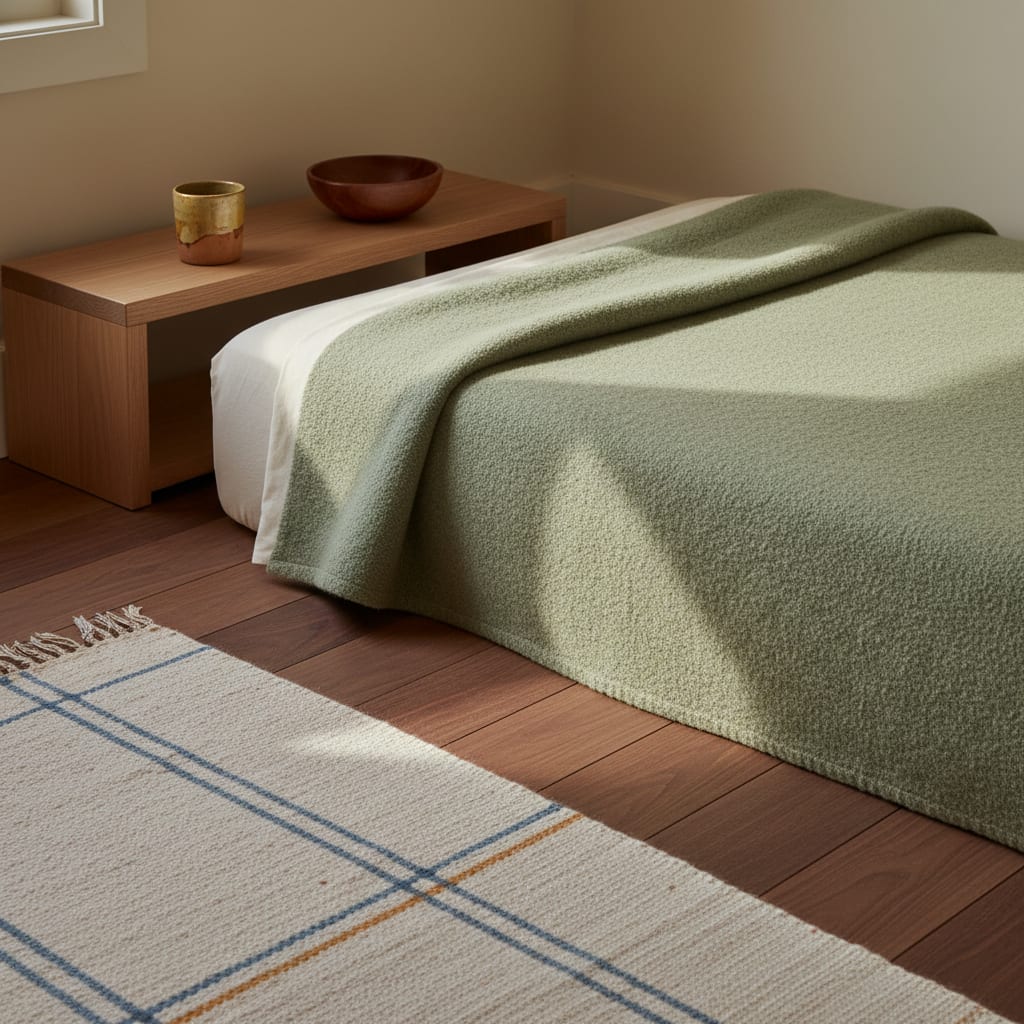
It works; it’s just slower, and it’s honest to say so. Gradual methods — a routine tightened, a presence slowly retreated, wake windows fixed — tend to take weeks where extinction methods claim days, and they demand more parental consistency, not less, because the change is spread across many small repetitions. The payoff pattern I’ve watched in floor-bed families is described in floor beds and independent sleep: two boring weeks of the same walk-backs and the same words, then a child who owns the routine. What doesn’t work is the un-method: gentle Monday, capitulation Tuesday, new plan Thursday. Any approach beats no approach held inconsistently.
Myth 4: “The schedule part is the harsh part”
Backwards, mostly. The schedule is frequently the gentle part — because an overtired child can’t be soothed into sleep by any amount of responsiveness, and most bedtime battles I’ve watched up close were wake-window math wearing a discipline costume. Getting naps and bedtime roughly right for the child’s age removes the struggle before it starts, which is more respectful than winning it tenderly every night. This is the layer where a planning tool honestly earns its keep: Betteroo is a personalized baby-and-toddler sleep app that builds the nap windows and bedtime from questions about your child and your approach, and adapts the plan as the child grows. Fair report from this shelf: it runs around $20 a month, it’s genuinely gentle-method-friendly — it plans structure, it doesn’t administer cry-it-out — and it’s a tool, not magic. It does the timing math; the sitting-beside-the-bed is still you.
 Gentle, with a spine
Betteroo builds a personalized, gentle day-by-day sleep plan — right-sized wake windows, a bedtime that fits your child — so the structure holds without the harshness.
Take the 2-minute sleep quiz →
Gentle, with a spine
Betteroo builds a personalized, gentle day-by-day sleep plan — right-sized wake windows, a bedtime that fits your child — so the structure holds without the harshness.
Take the 2-minute sleep quiz →
Myth 5: “Gentle is only for babies”
The gentle frame scales all the way up: the toddler moving to a floor bed gets the same gradual, boring consistency; the three-year-old dropping the last nap gets quiet time instead of a cliff. What changes with age is the child’s share of the structure — more choices inside the frame, more of the routine carried by their own hands — which is the Montessori trade in one sentence. Gentle was never a technique for a stage. It’s a posture: warm about the child, firm about the frame, honest about how long change takes.
FAQ: gentle sleep training
What does gentle sleep training actually mean?
A responsive parent plus consistent structure: predictable routine, age-appropriate schedule, gradual change, and the child never left alone to handle it. It is a real method with real requirements — not simply the absence of sleep training.
Does gentle sleep training mean no crying at all?
No. Change produces protest at every age, however kindly it’s made. The gentle distinction is that the parent stays present and responsive through the protest — not that the protest never happens. Zero-tears promises are marketing.
Is sleep training against Montessori principles?
Harsh extinction methods fit the method poorly, but structured, respectful sleep support fits it well — Montessori is freedom within limits, not the absence of limits. A predictable rhythm the child slowly takes over is the method applied to sleep.
How long does gentle sleep training take?
Usually weeks, not days — gradual change spread across many consistent repetitions. Give any single change about two weeks of boring consistency before judging it, and check the schedule first when it stalls. Inconsistency, not gentleness, is what fails.