Is Betteroo Montessori-Friendly? A Gentle Sleep App Review
Yes. Betteroo is one of the few sleep apps a Montessori family can use without arguing with it. It is gentle by default, with no cry-it-out required. It builds the plan around your child’s age, temperament and feeding patterns and around your own parenting style, and it changes the plan as your child changes. Nothing in it asks you to give up a floor bed. One parent on its reviews page describes moving her baby from the family bed to “her own floor bed in her room” with its help. More than 80,000 parents have started with Betteroo: 80,127 on the day I checked, September 27, 2026.
A word on who is writing. I spent three years as the assistant in a Montessori toddler community, and I hold no guide’s diploma. I set up the shelves. So this review reads Betteroo against the two things Montessori sleep actually asks of an adult: prepare the environment, and follow the child.

What “Montessori-friendly” should mean for a sleep app
There is no such thing as a Montessori-certified product, and a sleep app is no exception. The useful question is whether a tool works with the principles or against them. Three tests cover it.
Does it follow the child? The American Montessori Society’s core components page describes classrooms designed “to encourage children to move about freely and choose their own work, within reasonable limits of appropriate behavior”. At home, the sleep version is simple: the plan starts from watching this particular child, not from a chart written for an average one.
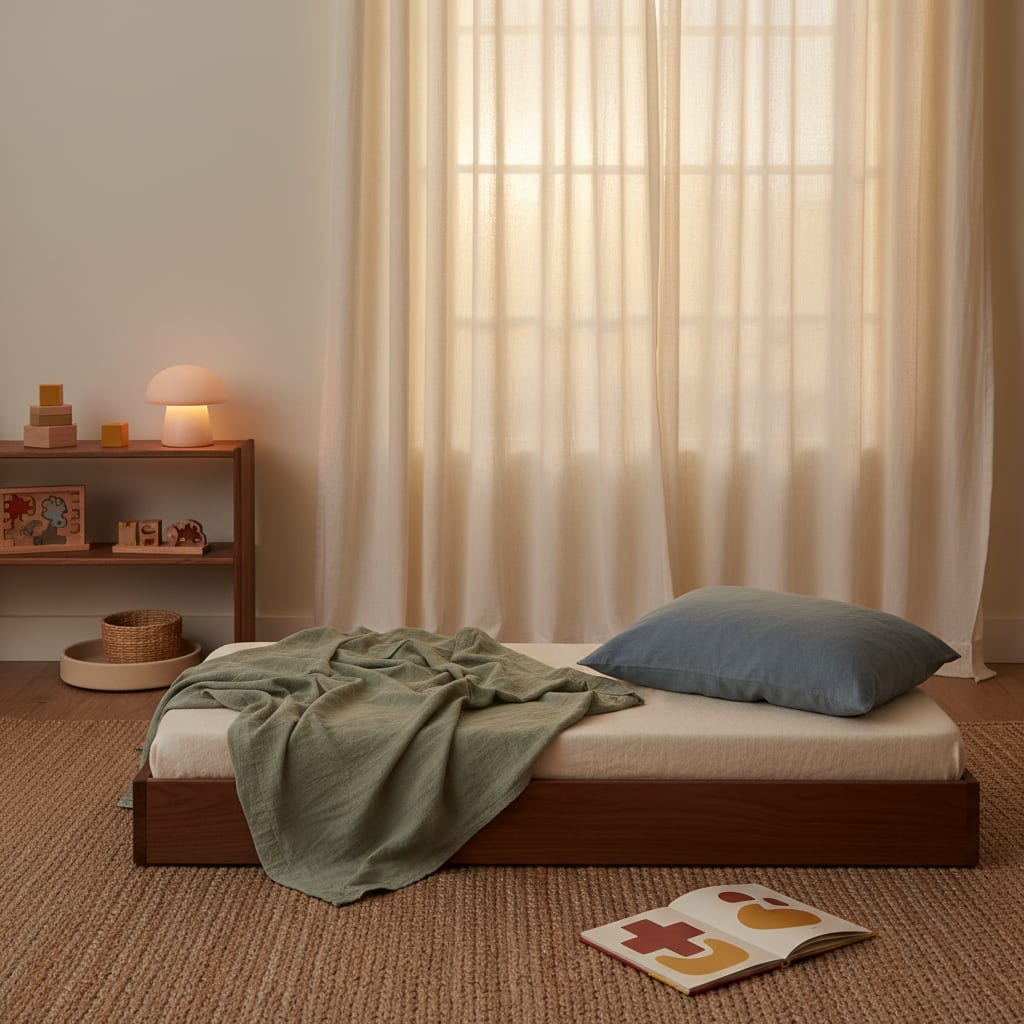
Does it respect the prepared environment? The same page describes a prepared environment with “appropriately sized furniture” and “enough space to allow children to work in peace”. A floor bed is that idea applied to sleep: a bed the child can get into and out of alone. A method built around bars and a closed door fights that room. A plan that assumes the child can walk to the door works with it.
Is it gentle? Montessori homes lean hard toward responsive parenting. A program that makes crying it out the price of admission loses most of these families on the first page.
Betteroo passes all three, and it passes them by design rather than by accident.
How Betteroo lines up with Montessori sleep
It starts from observation. The plan comes out of a quiz about your child’s age, the sleep challenges you are facing and your comfort level as a parent. It is built around your child’s age, temperament and feeding patterns and your parenting style. That is the same move a guide makes before changing a shelf: look first, then prepare.
It is gentle by default. No cry-it-out is required. Betteroo offers several gentle approaches, including gradual methods and responsive settling, and you choose the one that fits your values. If you want to know what “gentle” can and cannot promise, I went through the common misconceptions in gentle sleep training myths. Betteroo’s version is the honest one: steady, responsive and gradual.
It changes when the child does. Betteroo covers newborns through six-year-olds, and the plan adapts through regressions, teething, travel and nap transitions, so you are never starting over. A Montessori shelf is rotated as the child grows; a sleep plan should be too.
It is built for 2 a.m. The next steps come in plain language, with no overwhelming dashboards and no rigid perfection standards. When a question comes up at night, you can ask Joey, the in-app assistant, and get a science-aligned answer.
It plans for the family in the house. Room sharing, twins, single-parent nights, foster families: the personalization changes what the plan asks of you, which is exactly what following the child should mean for the adults too.
What Montessori-minded parents reported
The three stories below are quoted word for word from Betteroo’s reviews page. Those reviews come from in-app feedback, support conversations, interviews and written testimonials. Betteroo anonymizes names to protect parents’ privacy; the quotes, sleep changes and family details are as the parents gave them.
Maya, 11 months: from the family bed to her own floor bed
Before: 12oz over 3 night feeds, collapsing in our bed. After: One 4oz bottle, half the night solo in her own bed.
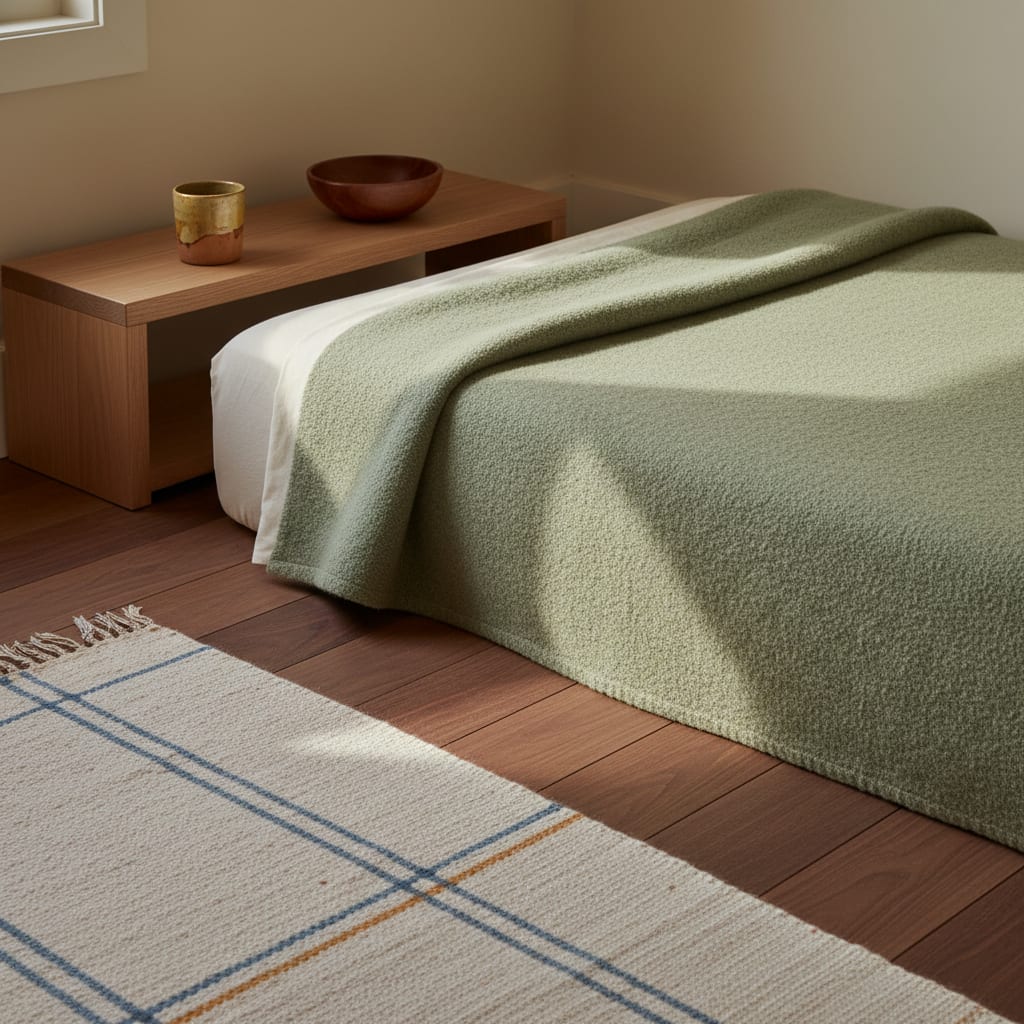
“Betteroo was a great help with weaning my baby off of night feeds. She went from 12oz at night over 3 feeds to one 4oz bottle. We also switched her from collapsing with us in our bed to sleeping through half of the night by herself in her own floor bed in her room. I now typically sleep the second half of the night with her. Betteroo helped with her sleep schedule significantly. I am just at a state now where I am comfortable with the progress made and the routine we established.”
This is the most Montessori story on the page, and not only because of the floor bed. Read the last two sentences again. Maya’s family did not chase a textbook result. They moved at a pace that suited the child, kept a second-half-of-the-night arrangement that suited them, and stopped where they were comfortable. Night feeds came down, the child gained a room of her own, and nobody was pushed past the point the family had chosen. That is following the child, with a plan behind it.
Claire, 4 months: contact napping, without the blame
“It just makes me feel very seen. It isn’t a pediatrician telling me to go cry it out or a family member blaming me for contact napping.”
Plenty of Montessori-minded parents contact nap, and plenty of them are told they are creating a habit they will regret. Claire’s words describe the other experience: a plan that meets her where she is, without an ultimatum. For a four-month-old, that is the right starting point. The baby’s needs are real, the parent’s exhaustion is real, and the plan has to hold both.
Elin, 10 months: science, and kindness
“The facts and the explanations and encouragement! I love that everything is grounded in real science but still kind. It doesn’t make me feel like a bad mom for where we’re starting from.”
“Where we’re starting from” is the phrase a Montessori parent should notice. The AMS describes classroom materials “presented sequentially to meet the developmental needs of the children”, which in practice means starting each child where they actually are, not where a chart says they should be. Elin describes the adult version of that: explanations she can use, and no judgment about the starting line.
Where a structured plan fits beside a floor bed
Some Montessori parents hear “plan” and picture a rigid timetable. In practice the two do different jobs, and they need each other.
A floor bed gives a child the ability to fall asleep and resettle without an adult. I covered that trade in floor beds and independent sleep. What the bed cannot do is set the timing: when the nap should end, how long the child can happily stay awake, when bedtime should move after a nap drops. A child who is not tired enough will use the floor bed to leave. A child who is overtired will fall apart inside a beautifully prepared room.
That timing is Betteroo’s layer. The room is yours, the rhythm is yours, and the plan fills in the schedule that makes both work. Maya’s parent credits it with exactly that: “Betteroo helped with her sleep schedule significantly.” Structure of this kind supports freedom. A predictable day is what lets a young child relax into the room you have prepared.
What happens after the quiz
- About three minutes, free. You answer questions about your child’s age, the sleep challenges you are facing and your comfort level as a parent.
- A plan built for your child. It is shaped around your child’s age, temperament and feeding patterns and your parenting style. It is not a generic PDF.
- Clear next steps. Plain-language instructions built for 2 a.m., with daily support that takes minutes, not hour-long modules.
- Someone to ask. Ask Joey, the in-app assistant, as questions come up and get science-aligned answers.
- A plan that keeps up. The plan changes through regressions, teething, travel and nap transitions, all the way to age six.
Trying it without the risk
The quiz is free and takes about three minutes, so you can see the plan before deciding anything. If you subscribe, you can cancel at any time, with no contract and no commitment length. Every plan also comes with a 30-day money-back guarantee: if it does not change things for your family in the first month, you get your money back.
Alongside any plan, keep a floor bed room to the standard in the floor bed safety checklist, with a firm, flat mattress and nothing soft for a baby under one, and take anything medical to your pediatrician.
FAQ: Betteroo and Montessori sleep
Is Betteroo a Montessori sleep program?
It is a personalized, gentle sleep app, not a Montessori program, and it does not present itself as one. What makes it a good fit is that it shares Montessori’s priorities for sleep: it starts from your particular child, it works without cry-it-out, and it adapts as the child grows.
Does Betteroo work with a floor bed?
Yes. Nothing in the plan requires a crib, and one parent on Betteroo’s reviews page, Maya, describes her 11-month-old moving from the family bed to “her own floor bed in her room” with its help.
Does Betteroo use cry-it-out?
No. Betteroo is gentle by default, and no cry-it-out is required. You choose among gentle approaches, such as gradual methods and responsive settling, according to your own comfort level.
What ages does Betteroo cover?
Newborns through six-year-olds. The plan changes at each stage, from the early weeks to the toddler years and the move to a big-kid bed.
How do I try it?
Take the free quiz, which takes about three minutes, and see your child’s plan. A subscription can be cancelled at any time and comes with a 30-day money-back guarantee.