Toddler Gave Up Their Lovey: A Montessori Sleep Guide
If your child has put their own comfort object down and sleep has gone wobbly for a week or two, the adult job is to hold the room steady and leave the decision alone. Do not fetch the lovey at 2am. Keep it where the child can reach it themselves, say nothing about it, and change nothing else while the wobble runs. A child who gave something up and is handed it back in the dark learns that the giving-up did not count — and you will be doing it all again in a month.
I set up shelves in a toddler community for three years and hold no guide’s diploma, so read the pedagogy as framing and the sourced parts as what decides tonight.
What a child-led drop looks like
Nobody took it away. There was no weaning plan and no goodbye ritual. One evening the rabbit stayed on the shelf, or it was left at a grandparent’s house and not missed. That is the whole event.
Then, a few nights to two weeks later, sleep gets worse: settling takes twenty minutes where it took five, wakings need more of you, mornings come earlier. There is often a day-side tell too — more clinginess at drop-off.
What makes it a wobble rather than a problem is its shape. It arrives after the drop rather than with it, it does not keep getting worse, and the child is otherwise themselves. If the nights are deteriorating week on week, or there is real distress rather than protest, that belongs with your pediatrician instead.
Why the object mattered, in the AAP’s own terms
The American Academy of Pediatrics is unusually plain about this. On HealthyChildren.org, a security blanket or soft toy is “part of the emotional support system every child needs in their early years” — most children choose one between eight and twelve months, “and keep it for years to come”.
The name is the useful part: “These special comforts are called transitional objects. They help children make the emotional transition from dependence to independence.” It is not a crutch — “transitional objects are not a sign of weakness or insecurity, and there’s no reason to keep your child from using one.” And the ending is expected: the same page says children “gradually give up” the object as they mature and find other ways to cope with stress. A child who drops it has not broken anything. They have arrived where the object was taking them, and the wobble is the cost of the last few metres.
Why re-offering undoes it
This is where a Montessori reading earns its keep. The American Montessori Society describes child-directed work as children being “given agency to self-select work, leading to intrinsic motivation and sustained attention”, and freedom within limits as an environment designed “to encourage children to move about freely and choose their own work.” The limits live in the room; the choices live with the child. An adult does not quietly reverse a choice while the child is too asleep to argue.
Three things go wrong when you hand it back:
- It becomes your decision. They gave it up; you gave it back. The next ending is harder, because it now has an adult on the other side of it.
- You install a night-time prop at the worst moment. A thing reintroduced during broken nights becomes part of them — something to be lost, replaced and fetched.
- It may not even work. The AAP advises parents who keep a duplicate to rotate it early, because “if you don’t start rotating them early, your child may refuse the second one because it feels too new and foreign.” An object off duty for three weeks can come back feeling foreign too — and then you have a reversed decision and a child who still will not settle.
The one exception is genuine asking. If the child asks, clearly and awake, it is theirs — hand it over without ceremony. The rule is that you do not decide, not that you withhold it.
What genuinely helps
Everything here is a change to the environment or the sequence, not a replacement for the object.
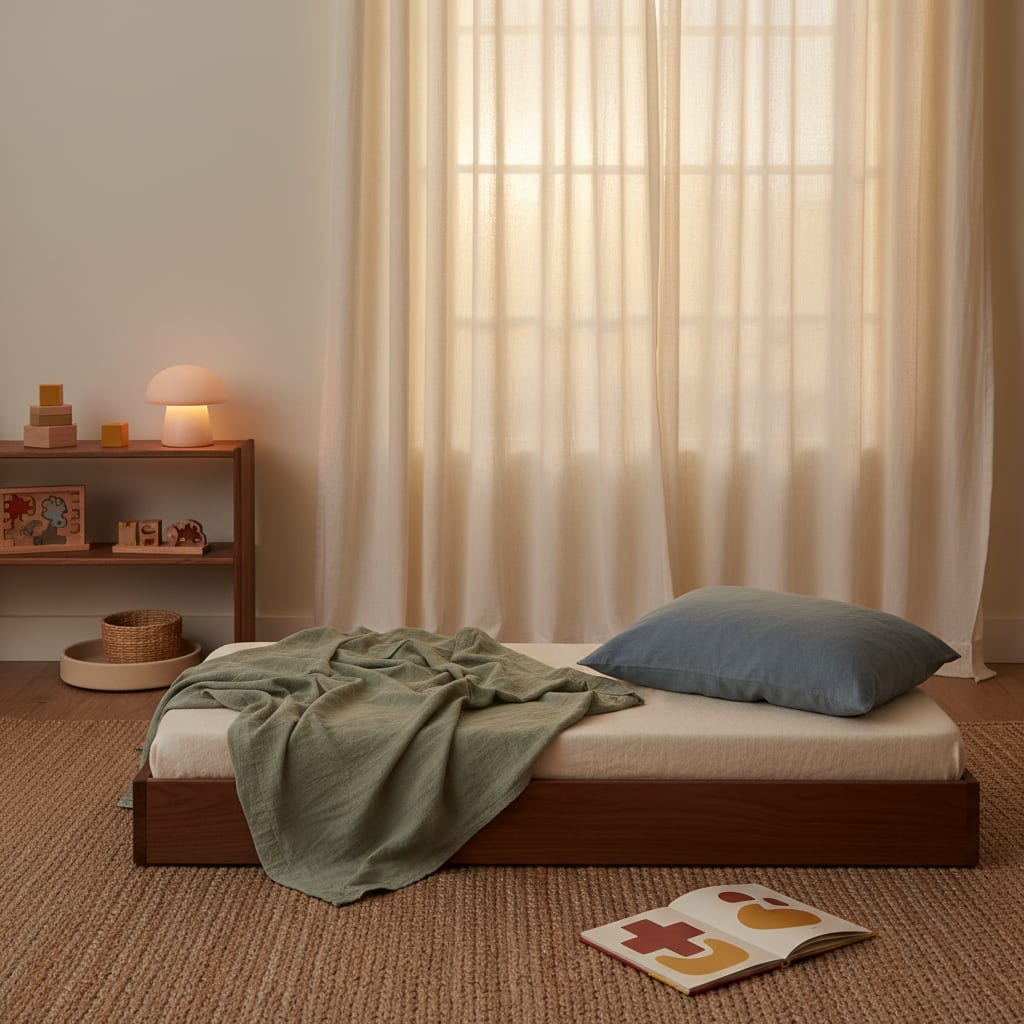
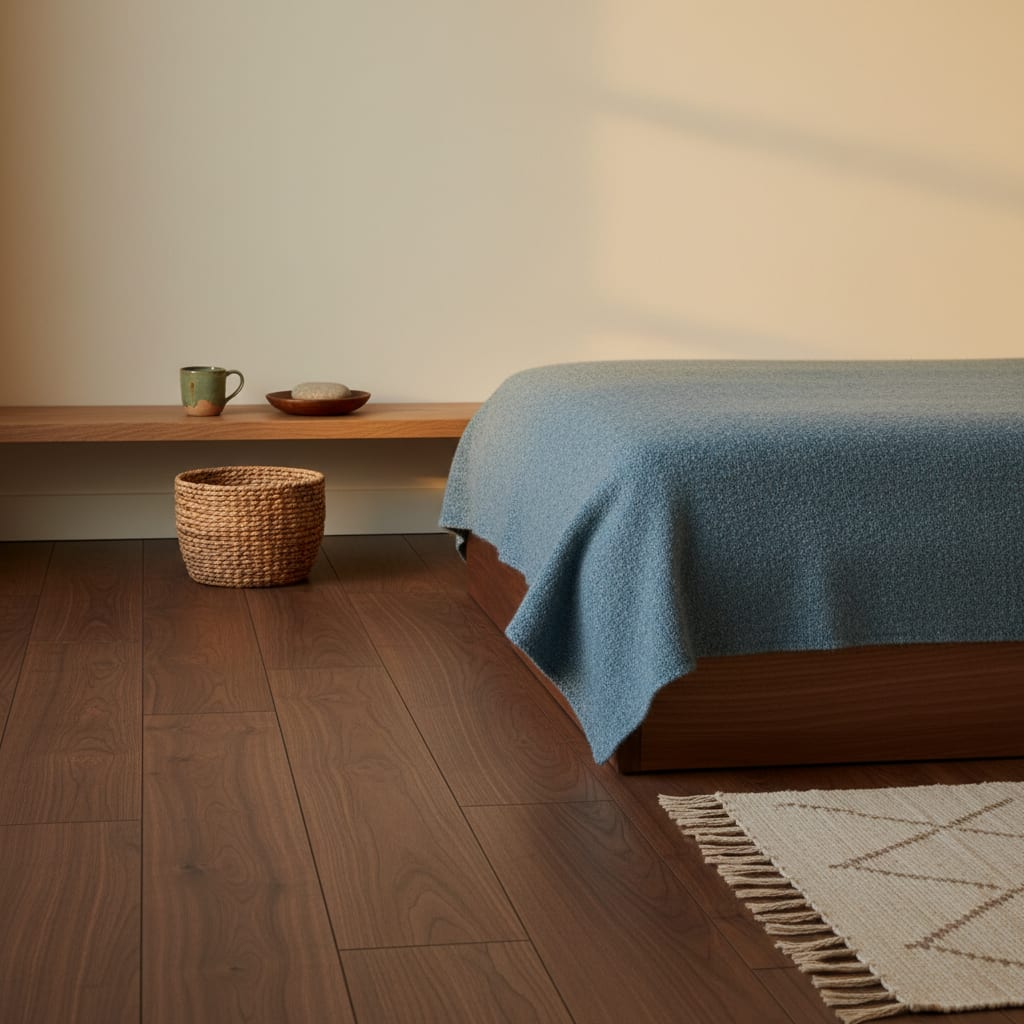
- Leave it findable and silent. Not in the attic, not on your side of the door. In the child’s own room at their height — a small basket beside the mattress, the same fix as a dropped comfort object in the night.
- Do not name it. No “do you want bunny tonight?” An offer from you is the reversal wearing a question mark.
- Change nothing else for a fortnight. Same bedtime, same order, same room. The hardest item, because a bad week is when a new nightlight starts to look clever.
- Add presence, not objects. Sit longer, stay in the doorway, walk them back with the same few words. Presence can be withdrawn again; a prop cannot.
- Give the day some of it back. More lap time, a slower goodbye in the morning. A good deal of a sleep wobble is a daytime need arriving at 8pm.
- Write it down. Two weeks of settling times and wakings show the direction — improving, flat or worsening — which is the only question you need answered. The two-week sleep log covers what to record and what to ignore.
None of this is sleep training, and none of it is the opposite either. If that vocabulary is muddying the decision, the gentle sleep training myths post unpicks what “follow the child” did and did not mean.
The safe-sleep floor, which is not negotiable
If the child is under a year old, this post is mostly not about you. The AAP’s safe sleep guidance is to “keep soft objects and loose bedding out of your baby’s sleep area”, naming “pillows and pillow-like toys, quilts, comforters, mattress toppers, non-fitted sheets, blankets, toys” — and those recommendations run “for babies up to 1 year of age”. A baby should not have had a lovey in the sleep space to give up. If one has been in there, the drop is a gift: leave it out, and take the sleep surface to your pediatrician rather than the object.
Betteroo’s guide to what age a comfort object is safe to introduce covers the other end of this question, and their write-up of how settling develops on its own covers the skill the object stood in for.

The case for letting a regression run
There is a real argument for accepting two worse weeks, and it is not stoicism. Every intervention added during the fortnight — a new object, a longer stay, a changed bedtime — has to be removed later, with its own wobble attached. Two bad weeks once is cheaper than three separate unwindings. It is also the only way you learn anything: change five things at once and a recovery tells you nothing, because you will never know which one did it.
A child at this age is often dropping a great deal at once — the object, sometimes a nap. Wanting to sleep in the day’s clothes is the same shape of decision and gets the same response: keep the environment predictable, and let the choices stay where they were made.
When to ask someone else
A wobble still not improving after about a month, nights getting steadily worse, distress rather than protest, or any change in daytime behaviour, appetite or health — those are pediatrician conversations, not room-setup ones. So is a drop that coincided with a loss, a move or a new sibling.
FAQ: a comfort object given up by choice
Should I put the lovey away completely?
No. Put it where the child can reach it and stop mentioning it. Removing it entirely makes the adult the author of the ending — the same error as handing it back, pointing the other way.
My child asks for it at 2am. Do I get it?
If they ask, yes, and without a discussion. You do not decide for them. If it is within reach in their own room, most of these requests solve themselves within a week: collecting it becomes easier than calling you.
Does Montessori say anything about comfort objects?
Not directly, and anyone claiming a Montessori doctrine on loveys is improvising. What the tradition supplies is the prepared environment and freedom within limits — which is why this post is about where the object lives and who decides, not about the object.